Abu Hamour A Diverse District of Al Rayyan, Qatar
สรุปใจความสำคัญ
- Abu Hamour is known as the 'Wholesale Market District' and is part of the Doha Metropolitan Area.
- The district's name is derived from the 'hamour' (grouper) fish, common in Qatari waters.
- The Abu Hamour Central Market was relocated in 2017 to various locations including Umm Salal Ali and Abu Samra.
- The district will be served by the Doha Metro's Green Line via the Abu Hamour Metro Station.
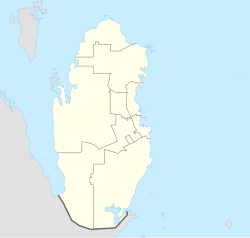
Abu Hamour (Arabic: بوهامور) is a prominent Qatari district located within the municipality of Al Rayyan. Often referred to as the "Wholesale Market District," it serves as a key part of the Doha Metropolitan Area, blending residential areas, industrial hubs, and historical trade centers.
Etymology
The name Abu Hamour is derived from Arabic, where abu means "father" and hamour refers to groupers, a type of fish common in Qatari waters. Local tradition suggests the district was named after the fish most frequently caught by the area's resident fishermen.
Key Areas of the District
Baluchi Camp
A significant portion of Abu Hamour has been designated by the government to house members of the Baluchi ethnic group, who migrated to Qatar from Oman, Iran, and Pakistan starting in the 1950s. While many residents hold positions in the Qatari government and army, some do not possess Qatari citizenship. The area consists of approximately 900 to 1,000 houses, though infrastructure remains a challenge, with many homes lacking basic sewage and running water.
Wholesale Market Area
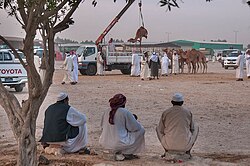
Historically, Abu Hamour was home to the Abu Hamour Central Market, one of the largest marketplaces in Qatar. Originally located in Al Jasrah (now Souq Waqif), the market was moved to Abu Hamour to accommodate Doha's urban expansion. The market previously hosted fresh produce, livestock, and ornamental plants. However, in early 2017, these operations were relocated to other sites: the wholesale shops moved to Umm Salal Ali, the fruit and vegetable market to Al Sailiya, and the livestock market to Abu Samra. Plans are now underway to convert the defunct market area into a commercial complex.
Industry and Economy
Due to its central location, Abu Hamour has become an increasingly popular choice for retailers and commercial outlets. Beyond retail, the district is home to a refined petroleum products distribution depot. This facility was originally managed by the National Oil Distribution Company (NODCO) and has been under the management of Qatar Fuel since 2002.
Transport and Infrastructure
The district's connectivity is being further enhanced with the construction of the Abu Hamour Metro Station. As part of Phase 1A of the Doha Metro project, this station will be part of the Green Line, providing efficient underground transport to the rest of the city.
Central Municipal Council
Abu Hamour has a history of political representation in the Central Municipal Council. It was initially designated as constituency seat no. 12 in 1999. Over the years, it has been represented by various officials, including Hamad Mubarak Al Marri, Khalid Mohammed Al-Ma'adid, Hamad Rashid Al Nabat, and Saleh Jaber Al Marri. In 2015, the constituency was split between constituencies no. 10 and no. 11.
คำถามที่พบบ่อย
What is the meaning of the name Abu Hamour?
The name comes from the Arabic words 'abu' (father) and 'hamour' (grouper fish), reflecting the area's history of fishing.
What happened to the Abu Hamour Central Market?
In early 2017, the wholesale shops, fruit and vegetable markets, and livestock markets were moved to Umm Salal Central Market, Al Sailiya, and Abu Samra respectively.
Who lives in the Baluchi Camp in Abu Hamour?
The Baluchi Camp houses members of the Baluchi ethnic group who migrated to Qatar from Oman, Iran, and Pakistan starting in the 1950s.
บทความที่เกี่ยวข้อง
 01การศึกษา
การศึกษา
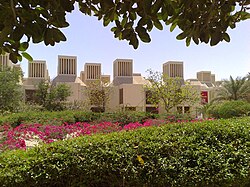
มหาวิทยาลัยกาตาร์ (Qatar University) สถาบันการศึกษาระดับโลกในโดฮา
อ่านบทความฉบับเต็มอ่านต่อ →การศึกษา
โรงเรียนนานาชาติ Blyth Academy Qatar การศึกษาระดับโลกในโดฮา
อ่านบทความฉบับเต็มอ่านต่อ →การศึกษา