Black Hawk Lakota Medicine Man and Ledger Artist
สรุปใจความสำคัญ
- Black Hawk produced a ledger book containing 76 drawings between 1880 and 1881.
- He was a member of the Sans Arc (Itázipčho) band of the Lakota people.
- His artwork provides a rare and complete visual record of Lakota cosmology and ritual practices.
- He is believed to have lived in the Cherry Creek district of the Cheyenne River Indian Reservation.
Čhetáŋ Sápa, known as Black Hawk (c. 1832 – c. 1890), was a distinguished medicine man and a member of the Sans Arc (Itázipčho) band of the Lakota people. He is most renowned for creating a series of 76 drawings, later bound into a ledger book, which serve as a profound visual record of Lakota cosmology, ritual, and daily life.
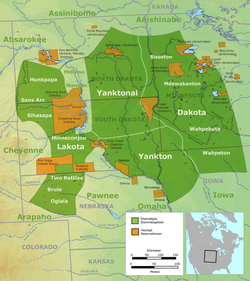
The Cheyenne River Indian Reservation
The Lakota, part of the Teton Sioux, have a complex tribal structure consisting of seven council fires. The Sans Arc band is one of the seven tribes within the Lakota division. Following the Fort Laramie Treaty of 1868 and subsequent conflicts with the U.S. government in the 1870s, the Great Sioux Reservation was fragmented into smaller entities. In 1889, the Cheyenne River Indian Reservation was established. Census records indicate that Black Hawk and his family resided in the Cherry Creek district of this reservation.
Biographical Insights
Historical records of Black Hawk emerge in 1880 through census data and National Archives documents. These records suggest he lived in a log cabin with his wife, Hollow Horn Woman, and at least one son born in 1862. As a spiritual leader, Black Hawk was commissioned by William Edward Canton, a federal "Indian trader," to produce his ledger drawings between 1880 and 1881.
While the ledger book was titled "CHIEF MEDICINE MAN OF THE SIOUX" by Canton, it is more accurate to identify Black Hawk as a medicine man within his specific community rather than the chief for the entire Sioux Nation. His work is particularly rare because it captures cosmological visions and rituals that are seldom depicted in other Lakota art.
Lakota Tradition and the Role of the Medicine Man
In Lakota culture, the term "medicine man" describes a variety of ritual specialists who maintain a connection to Wakan Tanka (the Great Spirit). These holy men are believed to possess "holy vision," which they share with their community to provide guidance and knowledge.
The Vision Quest and Spiritual Beings
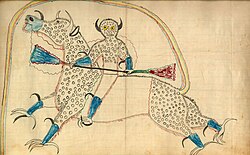
A central element of a holy man's journey is the vision quest, often involving the use of a sweat lodge and the sacred peace pipe. Certain animals are considered especially wakan (sacred), including the buffalo, eagle, wolf, and bear. Black Hawk's drawings, specifically those depicting himself as a destroyer riding a Buffalo Eagle, suggest he was visited by a Thunder Being (or Heyoka), a powerful spiritual encounter that required him to share his visions with the tribe.
Along with figures like Black Elk and Kills Two, Black Hawk remains one of the most significant Lakota medicine men to leave behind a visual legacy of their spiritual world.
คำถามที่พบบ่อย
Who was Black Hawk (artist)?
Black Hawk (c. 1832 – c. 1890) was a Lakota medicine man from the Sans Arc band known for his detailed ledger drawings depicting Lakota rituals and cosmology.
What is the significance of Black Hawk's ledger book?
The ledger book is one of the most complete visual records of Lakota daily life, spiritual visions, and rituals, commissioned by trader William Edward Canton.
What was Black Hawk's role in his community?
He was a spiritual leader or medicine man, believed to have been visited by a Thunder Being, which he documented through his artwork.