Copyright Status of US Federal Government Works
สรุปใจความสำคัญ
- Section 105 of the Copyright Act of 1976 prohibits copyright protection for works of the U.S. Federal Government.
- A 'work of the U.S. Government' is defined as one prepared by an officer or employee as part of their official duties.
- The public domain status of federal works applies only to U.S. domestic law; the government may claim copyright abroad.
Under United States law, works created by the federal government are generally not protected by copyright and are considered to be in the public domain. This ensures that government information remains accessible to all citizens without restriction.
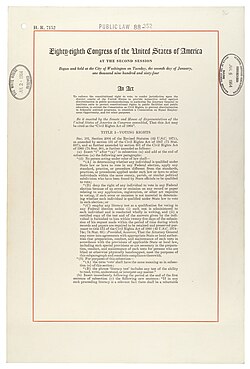
The Legal Framework The Copyright Act of 1976
The primary legal basis for this status is the Copyright Act of 1976, codified in Title 17 of the United States Code. Specifically, Section 105 states that "copyright protection under this title is not available for any work of the United States Government."
Defining "Work of the United States Government"
According to Section 101, a "work of the United States Government" is defined as a work prepared by an officer or employee of the United States Government as part of that person's official duties.
Important Limitations and Exceptions
While the general rule is that federal works are public domain, there are several critical nuances:
- International Copyright: The Copyright Act applies only to U.S. domestic copyright. The U.S. government may still assert copyright ownership for these works in other countries.
- Third-Party Content: The publication of a protected work by the U.S. government does not automatically place that work in the public domain. Government documents may contain:
- Works copyrighted by a contractor or grantee.
- Material assigned to the U.S. government but still under copyright.
- Information sourced from other copyrighted entities.
- Subnational Governments: The copyright status of works created by state or local governments is governed by their own specific laws and is not covered by the federal rule.
Historical Evolution of Government Copyright
Early Legal Precedents (Prior to 1895)
Before the first federal statute on the matter, courts relied on public policy. It was determined that laws, court decisions, and governmental rules must be freely available to the public; therefore, they were not subject to copyright. However, supplementary materials—such as headnotes and annotations created by court reporters—were often held to be copyrightable by the individuals who created them.
The Printing Law of 1895
The Printing Law of 1895 marked the first statutory prohibition of copyright in federal government publications. Section 52 of this Act specifically prohibited the copyrighting of any government publication or reprints thereof.
The Copyright Act of 1909
The Copyright Act of 1909 further solidified this stance. Section 7 (later Section 8 of Title 17 U.S.C.) explicitly stated that no copyright shall subsist in any publication of the United States Government.
คำถามที่พบบ่อย
Are all documents published by the US government in the public domain?
No. While works created by government employees in their official capacity are public domain, publications may include copyrighted material from contractors, grantees, or other external sources.
Does the federal copyright rule apply to state and local governments?
No, the copyright status of works by subnational governments is governed by their own respective state or local laws.
Can a government employee copyright a work they created for the government?
Generally, no. If the work was prepared as part of the employee's official duties, it is a work of the U.S. Government and is not eligible for copyright protection.