Moving Day NYC The History of New York City's Annual Tradition
สรุปใจความสำคัญ
- Moving Day in NYC occurred primarily on May 1st, and later October 1st, where thousands of residents moved simultaneously.
- The tradition was codified by an 1820 act of the New York State Legislature, making May 1st the default expiration date for oral leases.
- The tradition ended around 1945 due to a combination of World War II labor shortages, housing shortages, and rent control.
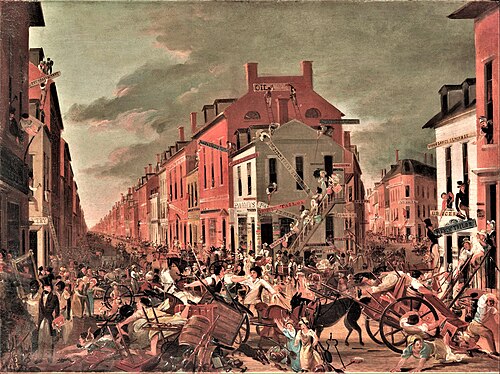
Moving Day was a unique and often chaotic tradition in New York City that spanned from colonial times until after World War II. For decades, the city's rental market was governed by a rigid schedule, leading to a massive, simultaneous relocation of thousands of residents. This phenomenon, which occurred primarily on May 1st, turned the city's streets into a scene of absolute pandemonium.
The Origins and Legal Basis
The tradition likely derived from the Dutch practice of verhuisdag, or the English celebration of May Day. While it may have started as a custom, it became codified into law by an 1820 act of the New York State Legislature. This act mandated that if no other date was specified in a lease, all housing contracts were valid until May 1st—unless the day fell on a Sunday, in which case the deadline was May 2nd.
The legal basis for this tradition was rooted in English common law, which provided a form of protection for tenants with oral leases. Since the vast majority of tenants relied on oral agreements, a statute reenacted in 1896 stated that leases of unspecified duration would expire on May 1st annually, effectively making any oral lease a year long.
The Chaos of May 1st
In 1799, observers noted that New Yorkers were "seized on the first of May, by a sort of madness" that compelled them seek new dwellings. Because there were not enough professional cartmen to handle the volume of traffic, farmers from Long Island and New Jersey would travel into the city to rent out their wagons at exorbitant prices. By 1820, the streets were often gridlocked with wagons carting household goods.
English writer Frances Trollope described the city on Moving Day in 1832 as appearing as if the population were "flying from the plague" or a town that had surrendered and was carrying away all their goods. The cost of moving was a significant burden; some tenants paid up to a week's wages just to be moved, and unscrupulous truckmen might take belongings to police headquarters if the customer refused to pay on delivery.
The Shift to October and the End of the Tradition
Toward the end of the 19th century, a second Moving Day emerged on October 1st. This was driven by people leaving the city for cooler suburbs during the summer heat and returning in the autumn. This October date, possibly related to the English custom of paying land rents on Michaelmas (September 29), eventually began to supplant the traditional May date.
By the early 20th century, it was estimated that a million people changed residences simultaneously. However, the practice began to fade in the 1920s and 1930s. The start of World War II provided the final blow, as the moving industry struggled to find able-bodied men to do the work. Combined with a post-war housing shortage and the introduction of rent control, the custom of Moving Day finally vanished by 1945.
คำถามที่พบบ่อย
What was Moving Day in New York City?
Moving Day was a tradition where thousands of New Yorkers changed their residences simultaneously, primarily on May 1st, because most oral leases expired on that date.
What caused the cause of the chaos on May 1st?
The chaos was caused by the volume of people moving at once, which led to gridlocked streets and wagons from out-of-state farmers being used to transport goods, often at high prices.
Why did a second Moving Day on October 1st emerge?
A second Moving Day occurred on October 1st as people returned to the city from cooler suburbs after the summer heat, eventually supplanting the traditional May date.