Roman Festivals A Guide to Ancient Rome's Holy Days
สรุปใจความสำคัญ
- Feriae were the 'holy days' of ancient Rome, divided into stativae (fixed), conceptivae (moveable), and imperativae (on-demand).
- Ludi (games) were often funded by private wealthy citizens rather than the state.
- The Kalends, Nones, and Ides were the primary markers of the Roman month, with the Kalends dedicated to Juno and the Ides to Jupiter.
Festivals in ancient Rome were a cornerstone of religious life during both the Republican and Imperial eras. These celebrations, known as //Feriae// (holy days), were integral to the Roman calendar and served as essential moments for the community to maintain their relationship with the gods.
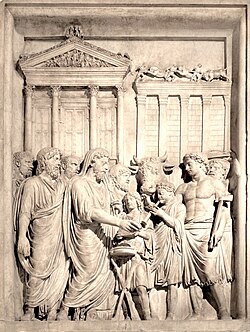
Types of Public Holidays
Public holidays (feriae publicae) were categorized into three distinct types based on their timing and nature:
- Stativae: Annual holidays that occurred on a fixed date on the calendar.
- Conceptivae: Moveable feasts, similar to modern holidays like Easter, where the date was announced by the responsible magistrates or priests.
- Imperativae: Holidays held "on demand" when special celebrations or expiations were required.
Ludi and Feriae
While feriae were the holy days themselves, the Romans also held ludi (games). Although the days on which ludi were celebrated were considered dies festi (holidays in the modern sense of days off work), they were not technically feriae. While the state funded the feriae, wealthy individuals often sponsored the ludi to gain social prestige.
The Observance of Holy Days
According to the scholar Varro, feriae were "days instituted for the sake of the gods." On these days, public business was suspended, and religious rites were performed. The rules regarding work were strict: free citizens were discouraged from engaging in lawsuits or quarrels, and slaves were often granted a break from their labor.
In cases where vital work—such as agricultural tasks—was necessary, an expiation (piaculum), usually the sacrifice of a puppy or a pig, was required to appease the gods for the breach of the holiday's sanctity.
The Roman Religious Calendar
The Roman calendar was structured around specific monthly milestones: the Kalends (sacred to Juno), the Nones (used for announcements), and the Ides (sacred to Jupiter). Many festivals marked the dies natalis (birthday) of a temple's founding or rededication.
January (Ianuarius) Festivals
The month of January, named after the god Janus, featured several key observances:
- January 1: Consuls entered office, accompanied by public vows (vota publica) and the taking of auspices.
- January 9: The Agonalia, a festival in honor of Janus.
- January 11 and 15: The Carmentalia, honoring the goddess Carmenta.
- January 27: The anniversary of the Temple of Castor and Pollux.
คำถามที่พบบ่อย
What is the difference between feriae and ludi?
Feriae were religious holy days dedicated to the gods, while ludi were public games and entertainment. While both resulted in days off work, feriae were state-funded religious observances, whereas ludi were often privately funded.
What happened if a person worked on a feriae?
Working on a holy day was generally forbidden. Those who 'inadvertently' worked could pay a fine or offer a piaculum (expiation), typically a sacrifice of a pig or puppy, to appease the gods.
Who was responsible for announcing the moveable feasts (feriae conceptivae)?
The date for moveable feasts was announced by the magistrates or priests who were responsible for those specific festivals.