Sound Effects No. 13 – Death & Horror The BBC's Cult Classic
สรุปใจความสำคัญ
- Produced by Mike Harding of the BBC Radiophonic Workshop and released in 1977.
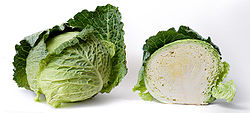
- Many of the gruesome sound effects were created by cutting and stabbing large white cabbages.
- It was the first sound effects album to chart within the Top 100 of the UK Albums Chart due to controversy surrounding its content.
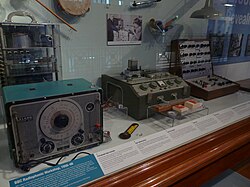
Released in 1977 by BBC Records & Tapes, Sound Effects No. 13 – Death & Horror stands as one of the most infamous and memorable entries in the BBC's sound effects series. Produced by Mike Harding of the renowned BBC Radiophonic Workshop, the album was designed as a resource for amateur filmmakers and stage producers seeking to evoke an atmosphere of dread and violence.
Production and the Art of the 'Cabbage'
The album was commissioned by BBC staff member Ian Richardson, who recognized a high demand for eerie and horrific sounds for stage thrillers. Richardson and Mike Harding combined "classic" effects from the BBC Effects Library and the Radiophonic Workshop with newly created sounds. To achieve a visceral, realistic quality for gruesome acts, the production team utilized an unconventional method: mistreating large white cabbages.
By cutting, stabbing, and cleaving cabbages, they simulated the sounds of breaking necks and chopping heads. For example, the guillotine effect was created by sliding a metal bar down a coat rack and editing that sound with a cabbage being chopped into a straw-filled basket.
Album Structure
The album contains over 80 sound effects, meticulously organized into six themed sections:
- Execution and Torture
- Monsters and Animals
- Creaking Doors and Grave Digging
- Musical Effects and Footsteps
- Vocal Effects and Heartbeats
- Weather, Atmosphere and Bells
Controversy and Commercial Success
Upon its release, the album sparked significant controversy. Mary Whitehouse, a prominent anti-obscenity campaigner, condemned the BBC for an "utter lack of responsibility" regarding the violent nature of the recordings. This backlash led to the album being briefly pulled from sale.
However, the controversy served as an unintended marketing tool. The public outcry drove sales, resulting in an additional 20,000 copies sold and making it the first sound effects album to enter the Top 100 of the UK Albums Chart. The original vinyl was notably produced as a black LP that appeared translucent blood red when held up to a strong light.
Legacy and Re-releases
The album's authenticity and unique production methods have ensured its cult status. It was followed by two sequels in 1978 and 1981. In 2016, Demon Records re-released the album as a "blood-splattered" vinyl LP, catering to collectors and fans of audio history.
คำถามที่พบบ่อย
Who produced Sound Effects No. 13 – Death & Horror?
The album was produced by Mike Harding of the BBC Radiophonic Workshop and commissioned by Ian Richardson.
Why was the album controversial?
It was criticized by anti-obscenity campaigner Mary Whitehouse for its violent content and perceived lack of responsibility by the BBC.
How were the 'gory' sounds created on the album?
Most of the grisly effects, such as chopping heads or breaking necks, were recorded by 'mistreating' large white cabbages with knives, cleavers, and pokers.