St. Michan's Church, Dublin History, Mummies, and Architecture
สรุปใจความสำคัญ
- The church is the only parish church on the north side of the Liffey surviving from a Viking foundation.
- The mummified remains in the vaults were naturally preserved by the limestone walls which keep the air dry.
- The famous mummy known as "The Crusader" was destroyed in a deliberate arson attack in June 2024.
St. Michan's Church is a historic Church of Ireland parish located on Church Street in Dublin, Ireland. With roots dating back to a Christian chapel established in 1095, the site has a long and complex history, serving as a Catholic church until the Reformation and continuing to serve its parishioners for over 300 years in its current form.
Architecture and History
St. Michan's is unique as the only parish church on the north side of the River Liffey that survives from a Viking foundation. The current structure was largely reconstructed in 1686 under the direction of William Robinson. Over the centuries, the church has seen various additions, including an almshouse built around 1720 and a two-storey vestry added around 1825.
While the exterior is modest, the interior boasts fine woodwork and a historic pipe organ. The organ's ornate case, crafted between 1723 and 1725 by French craftsman Jean-Baptiste Cuvilliés, is a highlight of the church's interior. Local tradition suggests that George Frideric Handel may have practiced on this organ before the first performance of Messiah in Dublin in 1742.
The Famous Mummified Remains
The church is most renowned for its vaults, which contain several mummified remains. The preservation is attributed to the limestone walls of the vaults, which keep the air dry, creating an ideal environment for natural mummification.
Among the most famous interments were the 400-year-old body of a nun, the Sheares brothers (Henry and John), and a six-and-a-half-foot man popularly known as "The Crusader." These remains provided a fascinating, if macabre, glimpse into Dublin's past.
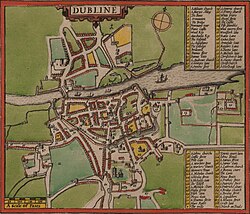
Vandalism and Tragedies
The crypts of St. Michan's have unfortunately been targets of repeated vandalism and arson. In July 1996, one of the five burial vaults was destroyed by fire, leading to its permanent closure. In February 2019, an intruder broke into the crypt, decapitating "The Crusader" and stealing two skulls. While the remains were eventually recovered, the incident caused significant damage.
The most devastating blow occurred on June 11, 2024, when an intruder deliberately set fire to the crypt. This fire, and the water used to extinguish it, destroyed or damaged beyond repair five mummified remains, including the famous "Crusader." As of March 2025, public access to the crypt remains suspended for conservation work.
Summary of Key Events
| Year | Event |
|---|---|
| 1095 | First Christian chapel established on site |
| 1686 | Current church structure reconstructed |
| 1724 | Organ Trophy installed |
| 1996 | First major arson attack on vaults |
| 2019 | Theft of mummy heads |
| 2024 | Arson attack destroying "The Crusader" |
คำถามที่พบบ่อย
Why are there mummies in St. Michan's Church?
The mummies were naturally preserved due to the limestone walls of the vaults, which keep the air dry, creating ideal conditions for preservation.
Did George Frideric Handel use the organ at St. Michan's?
Local tradition suggests that Handel practiced on the organ before the first performance of his masterpiece, Messiah, in Dublin in 1742, though this cannot be confirmed by early records.
Can you visit the crypts of St. Michan's Church today?
As of March 2025, public access to the crypts has been suspended for conservation work following a devastating arson attack in June 2024.