Picaresque Novel Understanding the Genre of the Roguish Hero
สรุปใจความสำคัญ
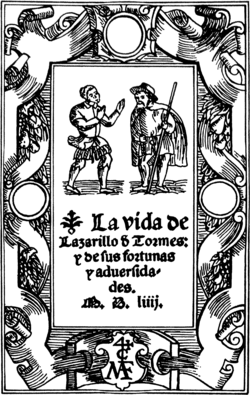
- The picaresque novel originated in Spain during the Golden Age with the publication of Lazarillo de Tormes in 1554.
- A typical picaresque protagonist, known as a pícaro, is a roguish outsider of low social class who survives by their wits.
- The picaresque form is usually an episodic narrative with little character development and a realistic, satirical style.
The picaresque novel is a genre of prose fiction that depicts the adventures of a roguish but appealing hero, usually of low social class, who lives by his wits in a corrupt society. Characterized by an episodic prose narrative and a realistic style, these novels often blend comedy and satire to critique social structures.
Defining the Picaresque Genre
According to the traditional view of Thrall and Hibbard, seven key qualities distinguish the picaresque narrative form. While authors may employ all or some of these for effect, they typically include:
- First-Person Perspective: The narrative is usually written as an autobiographical account.
- Low Social Class: The main character, the pícaro, is often of low character or social class, relying on their wits rather than traditional employment.
- Episodic Structure: There is little to no overarching plot; instead, the story is told through a series of loosely connected adventures.
- Static Characterization: There is little if any character development. Once a pícaro, always a pícaro; their circumstances change, but their core nature rarely does.
- Realism: The story is told with a plainness of language and a commitment to realism.
- Satire: Satire is often a prominent element used to critique society.
- Moral Ambiguity: The The behavior of the protagonist stops just short of criminality, positioning the hero as a sympathetic outsider who is untouched by the false rules of society.
Etymology and Origins
The word pícaro first appeared in Spain in 1545, though it had no initial association with literature. The term "picaresque novel" was actually coined in 1810. While the genre's founding work, Lazarillo de Tormes (1554), does not use the word pícaro, it established the blueprint for the blueprint for the genre. The only work clearly called "picaresque" by its contemporaries was Mateo Alemán's Guzmán de Alfarache (1599–1604), known as "El libro del pícaro".
History and Influence
The picaresque genre began with the Spanish novel Lazarillo de Tormes, published anonymously during the Spanish Golden Age due to its anticlerical content. However, the genre was influenced by earlier works from Imperial Rome, such as Petronius's Satyricon and Apuleius's The Golden Ass. The latter is considered by many scholars to be the primary antecedent influence.
Following the Spanish example, the genre flourished throughout Europe for over 200 years. Its influence persists in modern literature and fiction, and in the English-speaking world, the term is often used loosely to describe novels featuring episodic adventures on the road, such as Miguel de Cervantes's Don Quixote or Charles Dickens's The Pickwick Papers.
คำถามที่พบบ่อย
What is a picaresque novel?
A picaresque novel is a genre of prose fiction featuring a roguish, low-class hero (a pícaro) who navigates a corrupt society using their wits, typically told in an episodic, realistic, and satirical style.
Which book is credited with founding the picaresque genre?
Lazarillo de Tormes (1554) is credited by modern scholars as the founding work of the picaresque genre.
What are the main characteristics of of a picaresque narrative?
Main characteristics include a first-person autobiographical account, an episodic structure with little plot, a static main character of low social class, and the use of satire and realism.