Women's Fiction Exploring the Genre and Its Evolution
สรุปใจความสำคัญ
- Women's fiction is defined by its target audience (female readers) rather than the gender of the author.
- The genre has evolved to reflect the changing social roles and independence of women, from educational novels to stories of sexual liberation.
- Historical fiction within women's fiction often employs 're-vision' to tell historical events from an underrepresented female perspective.
Women's fiction is an umbrella term for women-centered books that focus on women's life experiences and are marketed specifically to female readers. It is important to distinguish this from women's writing, which refers to literature written by women, regardless of the target audience. The genre has evolved significantly over time, reflecting the changing roles, desires, and social standings of women in society.
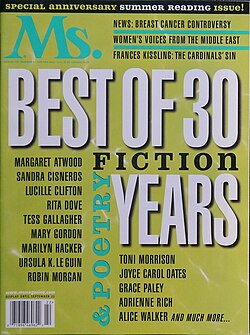
History of Women's Fiction
The literature within this genre has always served as a mirror to the real concerns and desires of women. Whether focusing on romantic aspirations, social change, or personal growth, the specifics of these narratives have shifted according to the historical context of the writing.
Early Publications and Educational Goals
Women have been publishing literature in the US since the colonial era, though it was less common than men. Before 1900, the majority of these authors were white and Protestant. Many early novels were designed to be educational, featuring curious female protagonists who sought knowledge, thereby educating the reader alongside the character.
The Interwar Period
Literary critic Nicola Beauman defines the interwar period's women's fiction as the "drama of the undramatic." These novels typically focused on the steadfast dailiness of life, the intensity of emotions, and the importance of human relationships over high action or histrionics. This era saw a trend of middle-class women writing for other middle-class women, introducing an intimate, personal dialogue style that remains a staple of the genre today.
The Post-War Era and Independence
The post-war period saw a surge in popularity due to the international book trade and a drastic shift in women's roles. As more women entered the workforce, they became less reliant on men, and this independence was reflected in the fiction. Female protagonists became more autonomous, taking on both traditional male and female roles. Even the ideal male lead shifted from the traditional romance hero to more considerate, professional citizens, such as doctors.
The 1960s and 70s Liberation and Education
The 1960s and 70s brought sexual liberation, aided by the accessibility of the birth control pill, which allowed women to choose their sexual lives without the fear of pregnancy. This era's fiction began to depict single mothers and women who were apprehensive about motherhood. The 1970s also introduced the "college girl novel," coinciding with the passing of Title IX and the increase of women pursuing higher education.
Contemporary Women's Fiction
Modern women's fiction is popular largely due to its wide variety of sub-genres, allowing readers to find stories that resonate with their specific experiences.
Sub-genres of Contemporary Women's Fiction
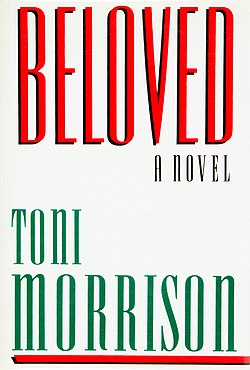
- Historical Fiction: This sub-genre allows women to revisit historical events from a female perspective, often reclaiming history from a predominantly white male narrative. This process, described by Adrienne Rich as "re-vision," is seen as an act of survival and reclamation. A notable example is Toni Morrison's Beloved.
- Chick-lit: Gaining popularity in the 1990s with Helen Fielding's Bridget Jones's Diary, this sub-genre typically centers on a single working woman navigating her professional and personal life.
คำถามที่พบบ่อย
What is the difference between women's fiction and women's writing?
Women's fiction is literature marketed to women, whereas women's writing is literature written by women, regardless of who it is the intended audience is.
What characterized the 'college girl novel' of the 1970s?
The 'college girl novel' emerged in the 1970s following the passing of Title IX, reflecting the increase in women seeking higher education.
What is 're-vision' in the context of historical women's fiction?
Re-vision is the act of looking back at historical events and re-telling them from a female perspective to reclaim and avenge women's history, often challenging male-dominated narratives.
บทความที่เกี่ยวข้อง
historical fiction
Historical Mystery The Evolution of the Historical Whodunit
อ่านบทความฉบับเต็มอ่านต่อ → 02Biography
historical fiction
Thomas Keneally The Booker Prize-Winning Australian Author
อ่านบทความฉบับเต็มอ่านต่อ → 03Literary Genres
literary history