The Art and Science of Writing A Comprehensive Guide
สรุปใจความสำคัญ
- Writing is a durable means of representing language so it can be understood by people at a later time.
- Literacy is defined as the ability to both read and write.
- Writing systems complement spoken language by transmitting it across space and storing it for future reading.
Writing is the act of creating a persistent, usually visual representation of language on a surface. As a structured system of communication, writing is also known as written language. Historically, written languages have emerged as a way to record corresponding spoken languages. A particular set of symbols, called a script, as well as the rules by which they encode a particular spoken language, is known as a writing system.
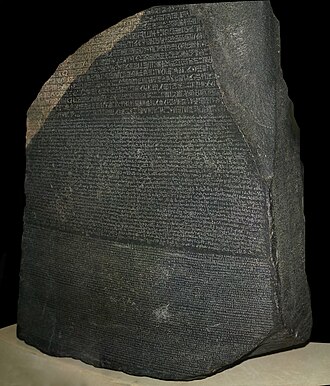
In some rare cases, writing may be tactile rather than visual. The cognitive and social activity of writing involves neuropsychological and physical processes whose physical output is also called writing (or a text): a series of physically inscribed, mechanically transferred, or digitally represented symbols. Reading is the activity of encountering a text and construing its symbols. Literacy is the ability of reading and writing.
Tools, Materials, and Motivations to Write
Any instance of writing involves a complex interaction among available tools, intentions, cultural customs, cognitive routines, genres, and the constraints of the systems used. Writing implements used to make physical inscriptions include fingers, styluses, ink brushes, pencils, pens, and various styles of lithography. Writing surfaces have evolved from stone tablets, clay tablets, bamboo slips, papyrus, vellum, parchment, and paper to copperplate and slate.
The typewriter and the digital word processor have allowed writers to produce visually consistent text mechanically via a keyboard. More recently, advancements in natural language processing (NLP) and generative pre-trained transformers have enabled software to produce formulaic writing, such as weather forecasts, or even longer, register-appropriate texts based on prompts.
Motivations and Purposes

Historically, writing emerged to address the needs of societies growing in economic and social complexity. Potential applications included tracking produce and wealth, recording history, maintaining culture, and codifying knowledge through curricula. Aids to administration included legal codes, census records, contracts, and treaties.
Individual motivations for writing include:
- Memory Aid: To-do lists, recipes, reminders, and logbooks.
- Dissemination of Ideas: Essays, monographs, plans, and manifestos.
- Creativity: Storytelling and creative writing.
- Social Connection: Maintaining kinship and social networks.
- Professionalism: Business correspondence and routine records management.
The global spread of digital communication systems like email and social media has integrated writing into daily life, making it an essential feature of most modern workplaces, where written documentation is often the primary deliverable.
Contemporary Uses
While some professions are specifically associated with writing, such as literary authors and journalists, writing is pervasive in most modern forms of work, civic participation, household management, and leisure activities. In business and finance, writing permeates every aspect of everyday commerce.
คำถามที่พบบ่อย
What is a writing system?
A writing system, or script, is a particular set of symbols and the rules by which they encode a particular spoken language.
How does writing change human cognition?
Writing allows humans to externalize their thinking, making it easier to reflect on, process more slowly, elaborate on, and revise their thoughts.
What were the early materials used for writing surfaces?
Early writing surfaces included stone tablets, clay tablets, bamboo slips, papyrus, and vellum.