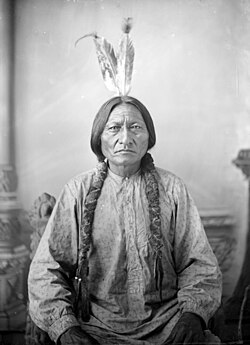
Thomas Bailey Marquis Historian of the American Frontier
สรุปใจความสำคัญ
- Thomas Bailey Marquis was a self-taught historian and ethnographer specializing in the Plains Indians.
- He is best known for his research on the Battle of the Little Bighorn and the Northern Cheyenne.
- He was a former printworker and physician who founded a museum now part of the Little Bighorn Battlefield National Monument.
Thomas Bailey Marquis (1869–1935) was an American self-taught historian and ethnographer who dedicated his life to documenting the history of the American frontier, with a particular focus on the Plains Indians. He is most renowned for his exhaustive research into the Battle of the Little Bighorn and the destruction of George Armstrong Custer's battalion.
Early Life and Diverse Career
Born in Osceola, Missouri, Marquis's early life was shaped by a family history of medical practice and military service. He began his professional life as a printworker, learning the trade of typesetting at the age of thirteen. After working for several newspapers in St. Joseph, Missouri, inspired by stories of the West, he moved to Montana. This move marked the beginning of a lifelong journey of professional evolution.
Marquis's life in Montana was initially characterized by a wanderlust that led him to various careers. He trained in medicine and became a physician, and at one point, he even qualified as an attorney. His military service during World War I as part of the United States Army Medical Corps served as further transition point in his career.
Contributions to Ethnography and History
Marquis's most significant contributions lie in his recording of the life stories of the Plains Indians, specifically those who participated in the Custer fight. His work is highly valued by historians today because he captured the Indian version of events at a time when few others were interested in these perspectives.
Among his most notable works, A Warrior Who Fought Custer, which details the Wooden Leg narrative, and Keep the Last Bullet for Yourself, which presents his theories on the final moments of Custer's battalion, are central to his research. While much of his work remained unpublished during his lifetime, several of his books, including The Cheyennes of Montana, were published posthumously in the 1970s.
Legacy and the Little Bighorn Battlefield
Marquis's deep trust with the Northern Cheyenne allowed him to conduct in-depth interviews that provide a unique window into the Northern Cheyenne culture and way of life. In Hardin, Montana, on the Crow Reservation, he founded a museum that was later incorporated into the Little Bighorn Battlefield National Monument.

Summary of Marquis's Life
| Period | Profession/Role | Location |
|---|---|---|
| Early Years | Printworker/Typesetter | Missouri |
| Mid-Life | Physician/Attorney | Montana |
| Later Years | Historian/Ethnographer | Montana |
คำถามที่พบบ่อย
What was Thomas Bailey Marquis's primary historical focus?
His primary focus was the American frontier, specifically the Plains Indians and the Battle of the Little Bighorn.
What was his most controversial theory regarding the Battle of the Little Bighorn?
Marquis proposed the theory that many of Custer's men committed suicide when the situation became hopeless, a theory detailed in his work 'Keep the Last Bullet for Yourself'.
Why is his work considered unique and unrepeatable?
His work is unique because he recorded the Indian version of events regarding the Custer fight at a time when few others were interested in these perspectives, and he developed a deep trust with the Northern Cheyenne participants.