Arthur P. Davis Scholar of the Harlem Renaissance
สรุปใจความสำคัญ
- Arthur P. Davis was the first Black American to receive a PhD in English from Columbia University (1942).
- He was only the second Black student to graduate as a Phi Beta Kappa from Columbia College.
- He edited influential anthologies including 'The Negro Caravan' and 'From the Dark Tower: Afro-American Writers 1900–1960'.
Arthur Paul Davis (November 21, 1904 – April 21, 1996) was a distinguished American university professor, literary scholar, and editor who dedicated his career to the preservation and promotion of African-American literature. Deeply influenced by the cultural explosion of the Harlem Renaissance, Davis became a critical voice in documenting the artistic achievements of Black writers.

Early Life and Education
Born in Hampton, Virginia, Arthur P. Davis grew up in a large family with eight brothers. His father, a plasterer, was a strong Victorian figure who provided a disciplined upbringing. Despite his academic gifts, Davis spent his summers working at a Black resort on the Chesapeake Bay to help support his household.
Davis's educational journey took him from the Hampton Normal and Agricultural Institute (graduating in 1922) to Howard University, and eventually to Columbia College in New York City. Attending Columbia was a transformative experience; as one of the few Black students in an integrated environment, Davis felt a profound sense of responsibility to represent his race, a sentiment he noted made his generation more competitive.
While studying at Columbia, Davis lived in Harlem during the peak of the Harlem Renaissance. He described this period as having a "ringside seat" to some of the most exhilarating events in American cultural history, interacting with icons such as James Weldon Johnson, Paul Robeson, W.E.B. Du Bois, and Alain Locke.
Academic Career and Achievements
Davis's academic record was exemplary. He graduated as a Phi Beta Kappa from Columbia College in 1927, becoming only the second Black student to receive this honor. He later earned his master's degree in 1929 and, in 1942, became the first Black American to receive a PhD in English (specializing in 18th-century English literature) from Columbia University.
His teaching career spanned several institutions, including North Carolina College (now North Carolina Central University) and Virginia Union University. However, he is most closely associated with Howard University, where he taught from 1944 until his retirement as professor emeritus in 1969. In 1984, Howard University recognized his lifelong contributions with an honorary doctorate in literature.
Literary Contributions and Legacy
Inspired by the pride and racial consciousness championed by figures like Marcus Garvey, Davis focused his scholarly work on the achievements of Black American writers. He was a prolific critic, publishing over 34 articles and reviews in his first decade at Howard University.
Davis is perhaps best known for editing and co-authoring seminal anthologies that sought to provide a truthful mosaic of the Black experience. His most notable works include:
- The Negro Caravan: A collection designed to present artistically valid writings by African-American authors.
- The New Cavalcade
- From the Dark Tower: Afro-American Writers 1900–1960
Through these works and his mentorship at Howard University, Arthur P. Davis ensured that the literary contributions of the Harlem Renaissance and subsequent generations of Black writers were recognized and preserved for future scholars.
คำถามที่พบบ่อย
What was Arthur P. Davis's relationship to the Harlem Renaissance?
Davis lived in Harlem while attending Columbia College during the peak of the Harlem Renaissance, allowing him to interact with and be inspired by the era's greatest poets, intellectuals, and artists.
Where did Arthur P. Davis spend the majority of his teaching career?
He spent the majority of his career at Howard University, where he taught from 1944 until 1969.
What was the goal of 'The Negro Caravan'?
Co-written by Davis, Sterling Brown, and Ulysses Lee, the work aimed to present a body of artistically valid writings by American Negro authors to provide a truthful representation of Black character and experience.
บทความที่เกี่ยวข้อง
Columbia University
James Kip Finch วิศวกรและนักการศึกษาผู้ทรงอิทธิพลของสหรัฐฯ
อ่านบทความฉบับเต็มอ่านต่อ →Columbia University
Robert Siegel อดีตผู้ประกาศข่าวชื่อดังของ NPR และนักข่าววิทยุระดับตำนาน
อ่านบทความฉบับเต็มอ่านต่อ →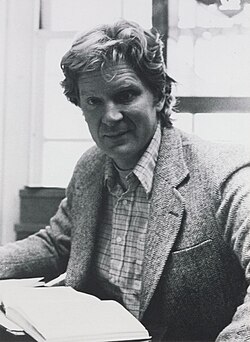 03บุคคลสำคัญ
Columbia University